
There is no more highly regulated industry than the pharmaceutical industry in Saudi Arabia; therefore, it is imperative that every measurement made in the laboratory is done with utmost accuracy. Even a small error or deviation in testing results can affect the safety of a drug, compliance with regulations governing pharmaceutical manufacturing, and the results for patients who receive the drug. Thus, testing laboratories are making capital investments in high-technology equipment; however, one Saudi pharmaceutical laboratory recently demonstrated that with advanced instrumental technologies from a proven analytical instrument supplier in KSA, they can increase both the accuracy and operational efficiency of their testing laboratories.
This blog will look at how modern analytical instrumentation changed their processes to reduce errors as well as to increase the degree of compliance with international quality standards, while providing examples that may prove useful for other laboratories looking to achieve similar improvements.
Accuracy Issue with Pharma Laboratories in Saudi Arabia
There are numerous regulations in place for pharmaceutical laboratories in Saudi Arabia that are governed by the Saudi Food and Drug Authority (SFDA) and the World Health Organisation Global Standard for Manufacturing Practices (GMP). Many laboratories, however, continue to use old, out-of-date, and improperly calibrated equipment, thereby producing consistently poor results.
In this specific lab, the following issues were being experienced:
Continual drift of calibration in old equipment
Inconsistent results from tests performed on similar batches
Extended finish times for quality control tests
Higher operating costs due to the need to re-test borderline/inconsistent results
Results from internal lab reports indicate that an average of 18-22% of all samples produced by this lab required a re-test due to borderline/inconsistent results. This contributed not only to lengthy production times but also placed increased stress on lab technicians.
A senior quality control analyst from the facility commented that
"Our instruments were restricting us from achieving a consistent degree of accuracy in high-volume testing environments."
Why Analytical Instruments Matter in Pharmaceutical Quality
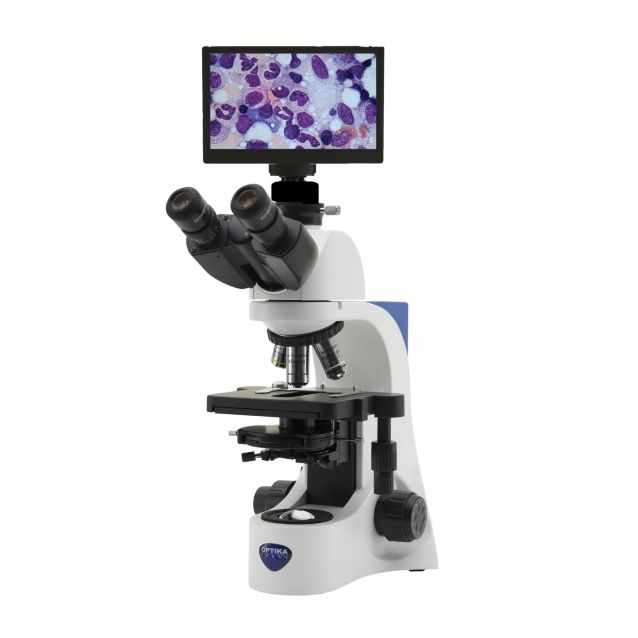
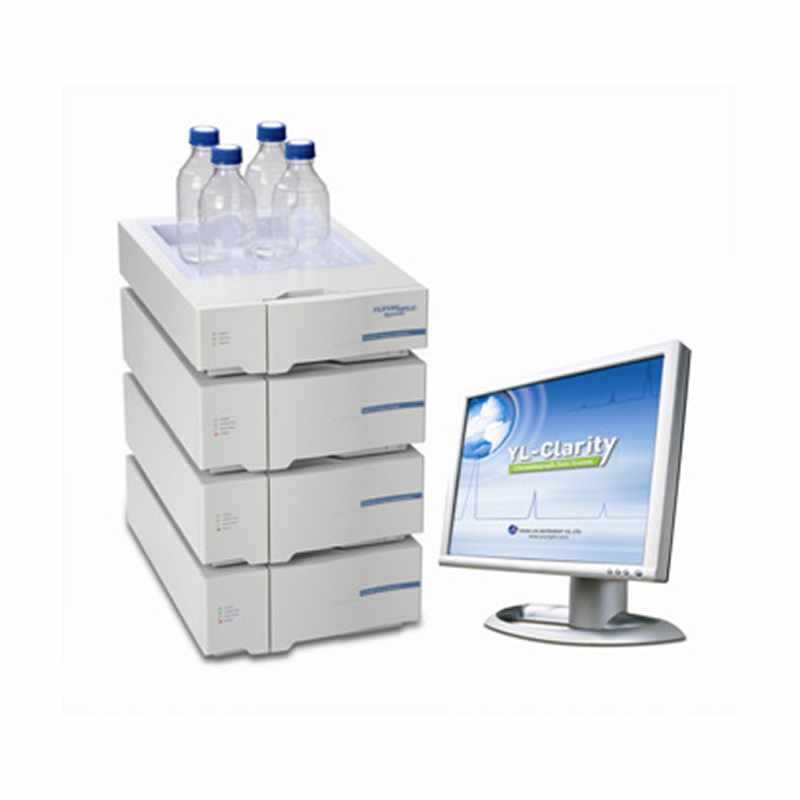
Analytical instruments are essential to the pharmaceutical industry, being the basis of pharmaceutical QA (quality assurance). Equipment like HPLC and GC-MS systems, spectrophotometers and dissolution testers are used to ensure all products manufactured in the pharmaceutical industry comply with established safety and effectiveness criteria.
There are many benefits to upgrading to a modern system through an analytical instrument supplier in KSA (Kingdom of Saudi Arabia), including the following:
Greater sensitivity and accuracy for detecting the presence of a compound.
Faster turn-around times on analysis due to automated processes.
Reduces the risk of errors by eliminating manual entry errors using integrated software solutions.
Meets international regulatory compliance requirements.
For a particular lab in Saudi Arabia, previously utilised manual equipment was replaced with advanced automated analytical equipment. The new automation system allowed for real-time data logging and cloud-based reporting; therefore, it increased both the accuracy and traceability of all measurements, as is necessary for regulatory audits.
Industry research indicates that the use of modern automated analytical systems can result in reducing measurement variations by 35% - 40%, thereby increasing the reliability of testing in the pharmaceutical manufacturing industry.
The Upgrade Journey with an Analytical Instruments Supplier in Saudi Arabia (KSA)
The laboratory began their upgrade with their analytical instruments supplier in KSA, completing a full assessment of their existing setup and developing an equipment upgrade solution based upon their individual products, testing volume and compliance requirements versus providing a standard "off-the-shelf" solution.
The upgrade included:
Installing high-performance equipment for high-performance liquid chromatography (HPLC) and gas chromatography (GC)
Integrating automated units for sample handling
Replacing all analog measurement devices with digital smart measuring instruments
Implementing a centralized software solution to manage all data
Training was an important component of the upgrade transition. All laboratory staff received hands-on training at the laboratory with the laboratory’s analytical instruments supplier in KSA to ensure a smooth transition to their new equipment.
As one laboratory supervisor commented:
"The assistance that we received from our analytical instruments supplier in KSA made our transition seamless. We were able to keep the output of our laboratory at the same level during the upgrade process."
In less than three weeks, the laboratory was fully functioning using the new equipment, with no impact on their production timelines.
Results & Impacts of the Upgraded Procedure
The results obtained after upgrading the procedure at the lab were remarkable and were instantly evident to the lab staff. The upgrade changed many aspects, including efficiency and accuracy of the lab, as shown below:
The number of retested samples decreased dramatically from approximately 20% to less than 5% of all samples.
The turnaround time of the sample testing decreased by 30% to 35%.
The frequency of instrument calibration and maintenance decreased by 40%.
By automating processes, the large number of errors seen due to poor data reporting was greatly reduced.
In addition to the improvements seen within the lab, the new automated systems also had a major improvement to the productivity level of the staff working in the lab and decreased their stress due to the reduction in repetitive tasks that were once performed manually.
As a result of the upgrades, the regulatory audit process went much smoother than in past years, with inspectors noting the improvement in traceability and documentation and reaffirming the necessity of acquiring high-quality laboratory instrumentation from a reputable analytical instruments supplier in the KSA.
Final Thoughts
Laboratories involved in the pharmaceutical industry must upgrade their analytical technologies in order to achieve the required high levels of accuracy and compliance with current standards of operation. Upgrading analytical instruments, such as those used by this laboratory in Saudi Arabia, will speed up workflows, decrease the amount of variability in testing, and improve overall productivity.
Modern instruments not only increase the precision of laboratory operations but also enhance the ability of laboratory personnel to make quicker decisions, manage data reliably, and comply with regulations more smoothly. Laboratories that invest in innovative analytical technologies will be better positioned to meet the increasing quality demands and requirements of the pharmaceutical and life science industries in Saudi Arabia as these industries continue to develop.
For laboratories that have difficulties relating to accuracy, turnaround time, or process efficiency, upgrading analytical systems may provide a practical way to improve their operations and to achieve long-term operational improvements and sustainability.



Write a comment ...